Resources for Industry Leaders
Stay ahead with the latest trends, insights, and strategies designed to help industry leaders build stronger, more skilled workforces.
What the Research Says: Training → Better Profitability & Performance
-
According to one widely-cited analysis (Association for Talent Development / ASTD), firms that invest meaningfully in employee training — e.g. spending US$1,500 per employee vs. US$125 per employee — tend to show an average of 24% higher profit margins compared to firms that underinvest.
-
The same research also notes these companies achieve 218% higher income per employee than those without formalized training programs.
-
Other studies aggregated by training-focused organizations report improved productivity: when employees receive training, companies often see a 17% boost in productivity.
-
Beyond internal gains, training can lead to downstream benefits affecting customer experience, error reduction, and operational efficiency — all of which factor into improved profitability.
Why this happens:
-
Training reduces mistakes and inefficiencies, which cuts costs and increases throughput.
-
It raises the skill level across the workforce, enabling more value-added work and better use of human capital rather than over-relying on expensive equipment or brute labor.
-
It boosts employee engagement and retention — reducing turnover, hiring and onboarding costs.
Sources: Training ROI - AWFI , Employee Training Statistics, Trends, and Data in 2025 | Devlin Peck , Research Consistently shows that training employees pays off with profits , Proven Impact of Training and Development on Employee Performance | peopleHum

The Puzzle of Motivation
Daniel Pink’s “The Puzzle of Motivation” explores why traditional rewards like bonuses and incentives often fail to improve performance in modern workplaces. Drawing on behavioral science, Pink explains that people are most motivated by autonomy, mastery, and purpose. This talk offers practical insight for managers looking to strengthen employee engagement, encourage creativity, and build high-performing teams.
Listen Here

Human capital at work: The value of experience
At a time when employees are exercising more choice in the job market, internal mobility has never been more critical. Analysis of millions of job histories across the U.S., U.K., Germany, and India shows that moving into a new role pays off—especially when the role stretches employees’ skills and better utilizes their capabilities.
Leaders who provide these growth opportunities can retain top talent, boost engagement, and strengthen workforce performance.

How to Keep Your Top Talent
Across industries, countries, and economic cycles, our research shows a striking pattern: most management teams stumble when developing the next generation of leaders. Senior managers often make assumptions or take actions that unintentionally hinder employees’ growth.
These mistakes can undermine talent investments and limit future organizational performance. In this article, we outline the six most common errors—and share examples of organizations that are getting it right—so leaders can take concrete steps to strengthen their leadership pipelines.
With So Many People Quitting, Don’t Overlook Those Who Stay
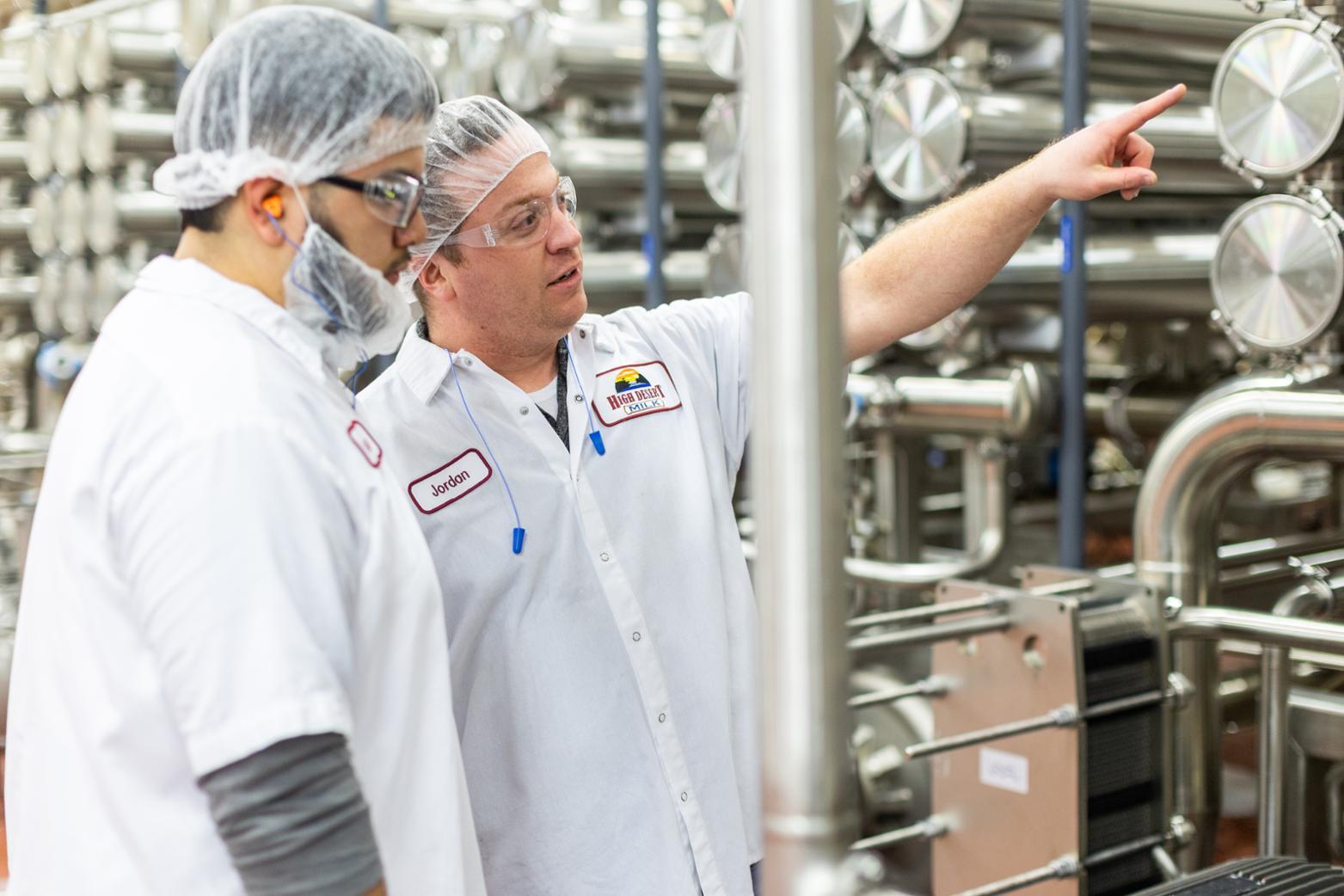
Leaders today are juggling two pressing priorities: filling roles left vacant by departures and hiring new talent to support growth. With too few people for too many jobs, productivity ultimately depends on your workforce.
One of the most effective ways to stabilize your business is to focus on retention. In the rush to hire, don’t forget the employees who show up every day, carrying the work that keeps your operations running. Consider what these individuals need now—and how you can support, engage, and retain them.
'Great Attrition' or 'Great Attraction'? The choice is yours
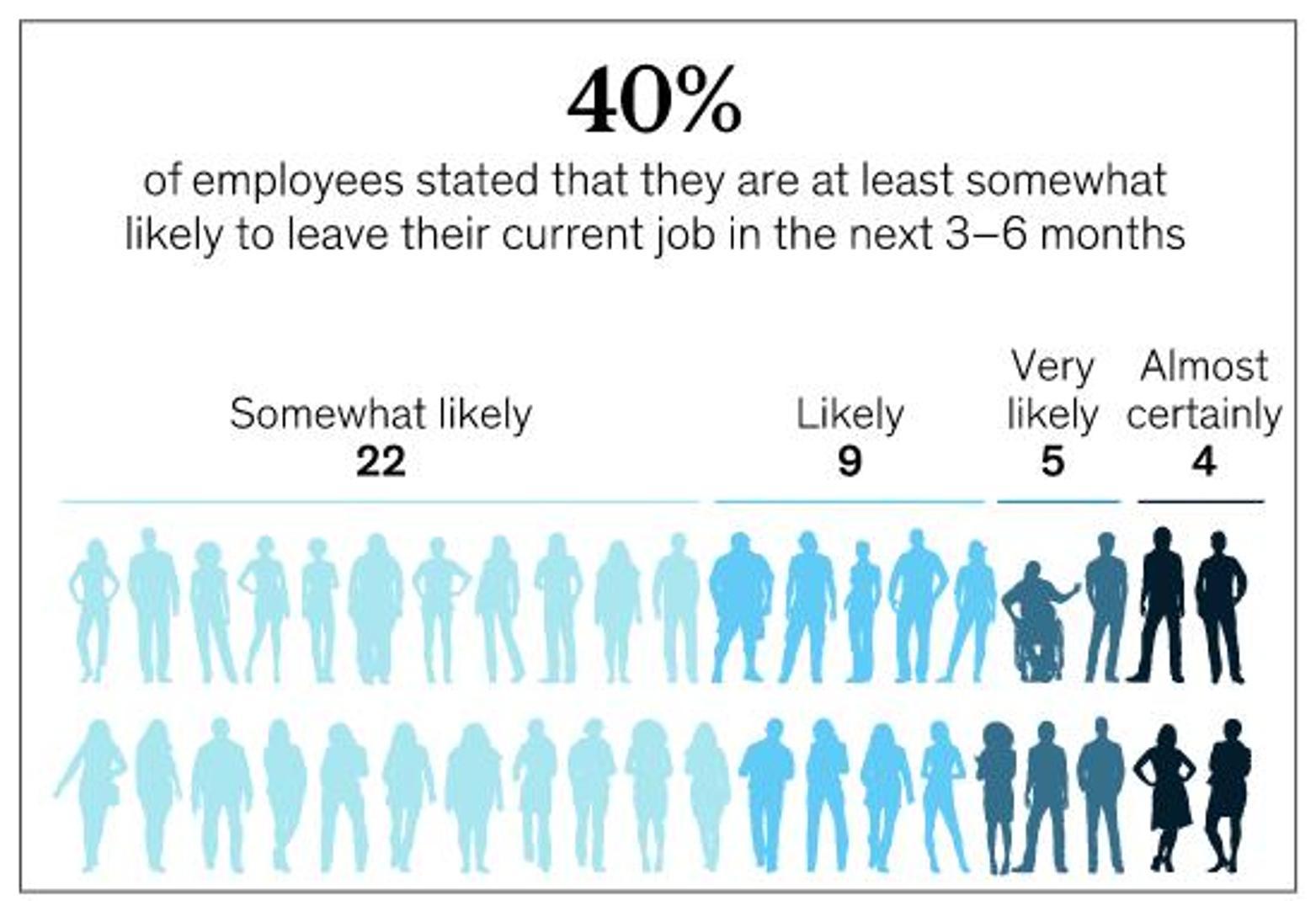
A record number of employees are quitting or considering leaving their jobs. Organizations that take the time to understand why employees leave—and respond thoughtfully—gain a distinct advantage in attracting and retaining talent.
By listening, analyzing, and acting on these insights, leaders can strengthen engagement, reduce turnover, and maintain a competitive edge in the labor market.
Our Promise To You
Quality
We have the highest standards of quality for our training to ensure our participants get the best training results without leaving the state.
Results-Oriented
Our connection to local businesses gives us a finger on the pulse of our community so we can provide real-world training to use immediately.
Professional
We hire top professionals in their field so our participants receive the most cutting edge, hands-on training possible.